Merch Launch Checklist: Avoid Rookie Mistakes
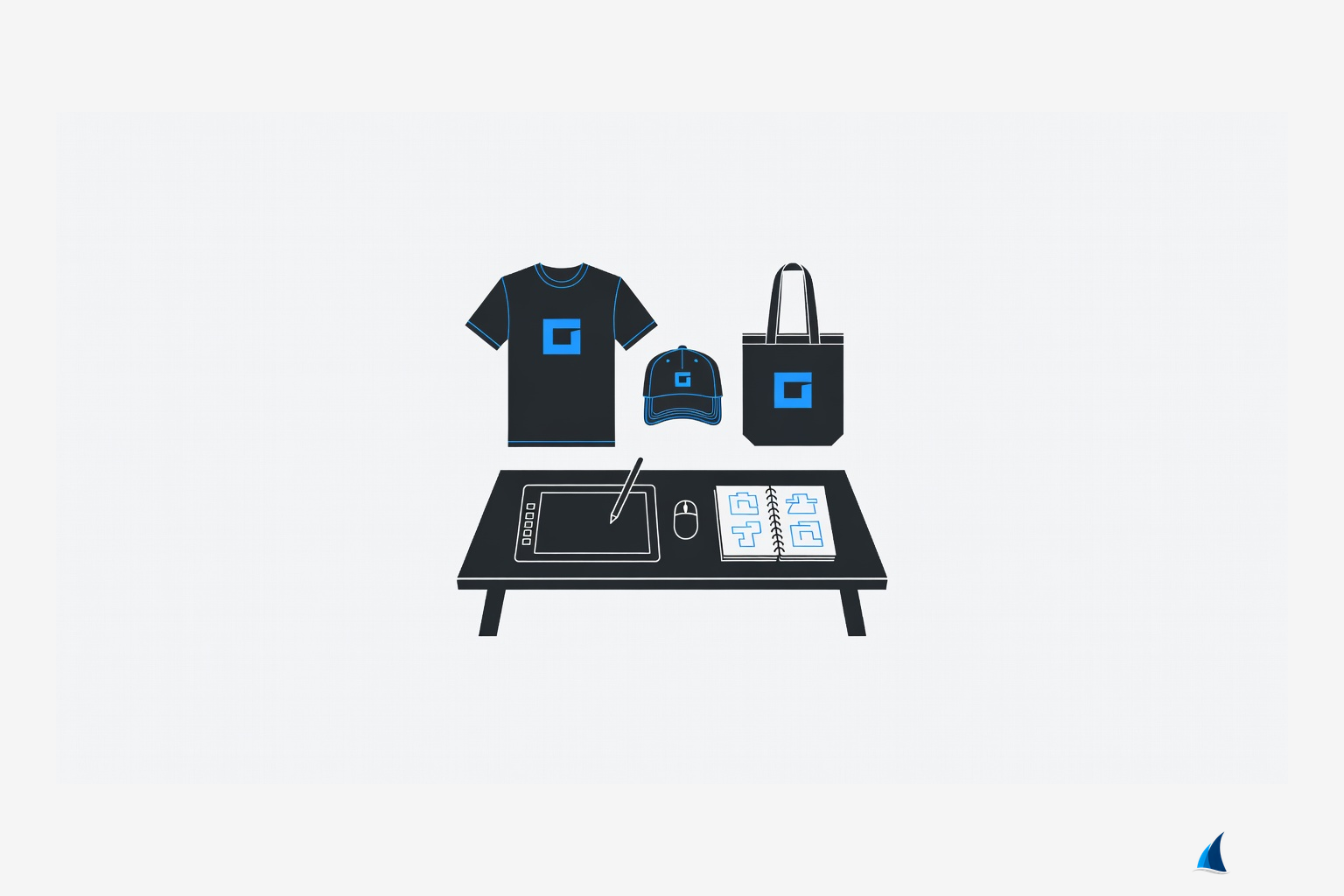
Merch Launch Checklist: Avoid Rookie Mistakes
Back in the gritty days of the 1980s punk rock scene, bands like The Clash hawked hand-screened tees from the back of vans after shows, turning die-hard fans into walking billboards. Fast-forward to today, and print-on-demand (POD) technology has democratized that hustle for independent creators worldwide. Yet, despite tools like DTG printing and seamless fulfillment, nine out of ten first-time merch launches flop—not from lack of talent, but from skipping a solid merch launch checklist. If you're an anime artist, gaming streamer, or podcaster ready to start selling merch, one overlooked detail can tank your profits and fan trust.
Understanding the Challenge of a Merch Launch
Launching merch isn't just uploading designs to a POD platform; it's a high-stakes blend of creativity, commerce, and crowd psychology. I've consulted hundreds of creators over a decade, and the pitfalls are consistent: oversized designs that bleed off hoodie sleeves in DTG prints, pricing that undervalues premium embroidery on caps, or ignoring niche fan preferences—like gamers craving matte black phone cases over glossy ones.
Consider the anime artist who dumps $500 into anime merchandise samples only to find their intricate line art pixels out on low-res POD mocks. Or the fitness influencer whose "sweat now, shine later" mugs arrive with faded sublimation after one dishwasher cycle. These aren't hypotheticals—they're autopsy reports from failed drops. Without a structured creator merch merch launch checklist, enthusiasm overrides strategy, leading to returns, bad reviews, and stalled momentum.
The POD industry amplifies these risks. Fulfillment times average 3-7 days via providers like Printify, but delays spike during peaks like Black Friday. Profit margins hover at 30-50% on tees after base costs ($8-12), yet many creators price at $20 without factoring shipping ($5-10). Fans expect quality rivaling mass-market brands, and one subpar sticker sheet can erode loyalty built over years of content.
Your Solution: The Ultimate Merch Launch Checklist Guide
Enter the best merch launch checklist: a battle-tested framework distilled from scaling creator stores to six figures. This isn't generic e-com advice—it's tailored for POD realities, from vector file specs in Adobe Illustrator to audience-specific product stacks. Whether you're a musician prepping music merchandise for tour or a podcaster eyeing branded notebooks, following these steps minimizes risks and maximizes hype.
Merch Harbor streamlines this as your premier marketplace, handling POD integration so you focus on design and sales. Think of it as your launchpad: upload once, sell globally, with real-time analytics to tweak on the fly. The checklist below covers pre-launch prep to post-drop optimization, ensuring your merch resonates like those vintage band tees—but with modern scalability.
Detailed Steps for a Flawless Merch Launch
Break it down into actionable phases. Treat this merch launch checklist merchandise like a pre-flight routine: skip one, and you're grounded.
Step 1: Nail Your Audience and Niche Fit
Start with who, not what. Profile your fans ruthlessly—age, interests, budget. Anime enthusiasts skew 18-24, favoring oversized hoodies with bold character prints; fitness fans (check our fitness brand merchandise) prefer breathable tanks with motivational embroidery that withstands gym washes.
Survey 50-100 followers via Instagram Stories: "What merch would you buy under $30?" Tools like Google Forms reveal gold—gamers might demand enamel pins, podcasters reusable totes. Insider tip: Cross-reference with Merch Harbor's sales data; gaming merchandise spikes 40% on controller-themed stickers during Twitch marathons.
Step 2: Curate a Lean Product Lineup
Avoid the "kitchen sink" trap—launch 5-8 SKUs max. Prioritize evergreen winners: tees (60% of sales), hoodies, mugs, phone cases, stickers. For musicians, add posters; podcasters, enamel pins for that premium feel.
Test POD viability: DTG shines for full-color tees (vibrant on cotton, but fades faster than DTF on poly blends). Sublimation excels for mugs (all-over wraps, dishwasher-safe up to 50 cycles). Trade-off: Embroidery adds tactile appeal to hats but limits design complexity. Mockup in Canva or Procreate at actual sizes—tees need 12x16" art at 300 DPI.
- Apparel: Bella+Canvas 3001 tees for softness.
- Accessories: OtterBox cases for drop-proof gaming merch.
- Decor: Canvas prints for art creators, avoiding cheap poster paper that curls.
Step 3: Design Like a POD Pro
Designs sell merch—period. Use vector formats (SVG/EPS) for scalability; PNGs pixelate on large hoodies. Balance simplicity (one focal element) with personality—think a streamer's avatar mid-headshot for ironic appeal.
Niche hacks: Anime? High-contrast outlines for DTG clarity. Fitness? Gradient-free motifs to prevent sublimation ghosting. Test prints via Merch Harbor's mockup generator; I've seen 20% conversion lifts from adding subtle texture overlays in Photoshop.
Legal checkpoint: Run designs through USPTO searches and avoid fan art IP pitfalls. Original twists on trends (e.g., "podcast vibes" parody) keep you safe.
Step 4: Price for Profit, Not Perfection
Base costs: Tee $10, hoodie $25, mug $7. Markup 2.5-3x for $25-35 tees, $45-60 hoodies—fans pay for exclusivity. Factor 10-15% discounts at launch.
Dynamic pricing: Entry-level stickers at $4 (80% margin), premium embroidered beanies at $35. A/B test via Merch Harbor dashboard; podcasters see 25% uplift bundling mugs + stickers as "host kit."
Step 5: Set Up Your Merch Harbor Store
Sign up, upload designs, select POD partners. Customize storefront with bio, social proofs. Enable bundles and upsells—tees + stickers boost AOV 35%.
Optimize listings: Keyword-rich titles ("Gamer Rage Quit Hoodie"), 5+ lifestyle shots, size charts. Mobile-first: 70% traffic is phone-based.
Step 6: Build Pre-Launch Buzz
Hype 2-4 weeks out. Tease on socials: "Dropping my ultimate [niche] collection—vote on colors!" Email lists convert 5x higher; use Linktree to drive to pre-order page.
Collaborate: Cross-promo with similar creators. For music merch, bundle with Spotify links.
Step 7: Launch and Monitor in Real-Time
Go live mid-week, 10 AM EST for peak traffic. Track via analytics: CTR, AOV, returns. POD fulfillment? Expect 5-day averages; communicate delays transparently.
Step 8: Post-Launch Optimization
Day 1: Check reviews. Week 1: Reprint tests for quality. Iterate—swap low-sellers for winners. Aim for 20% repeat rate via loyalty perks.
Expert Tips to Supercharge Your Merch Launch
Beyond basics, these insider moves separate hobbyists from pros. I've scaled anime drops to 1,000 units/month with them.
- Seasonal Sync: Gaming merch peaks during esports seasons; align with Twitch schedules.
- Variant Magic: Offer colorways (black/navy 80% sales) and sizes XS-5XL—POD handles it seamlessly.
- Packaging Punch: Custom thank-you stickers boost UGC 50%; Merch Harbor offers branded inserts.
- Ad Efficiency: TikTok $0.50 CPM for niche merch; retarget cart abandoners.
- Quality Audits: Order samples—DTG on Next Level tees beats Gildan for drape. Trade-off: Higher base cost, but 15% fewer returns.
For podcasters, voice-matched audio QR codes on posters create immersive unboxings. Musicians: Limited-edition vinyl-style tees sell out 3x faster. Dive deeper in our merch tips and guides.
Honest caveat: POD isn't perfect. White ink limitations on dark fabrics require design tweaks, and international shipping adds $15-20. But at Merch Harbor, global reach offsets this with localized fulfillment.
Launch Your Empire—Starting Today
The POD revolution handed creators the keys to merch mastery, but only a disciplined merch launch checklist guide turns potential into profit. From that first anime tee to scaling a full podcast merchandise empire, you've got the blueprint.
Join thousands thriving on Merch Harbor. Start selling merch now—upload your first design risk-free, launch with confidence, and watch fans fuel your growth. Your checklist awaits; the fans are ready. What's your first drop?
By Alex Rivera, Creator Economy Strategist & Merch Harbor Expert
---Related Articles
Canva Merch Templates: Quick Designs for POD Success
--- Canva Merch Templates: Quick Designs for POD Success Ever Felt Stuck Staring at a Blank Desig...
2026 AI Design Explosion: Tools Creators Need for Viral POD Merch
--- --- 2026 AI Design Explosion: Tools Creators Need for Viral POD Merch Picture this: It's earl...
Fitness Influencer Tees That Sell Out Fast
Fitness Influencer Tees That Sell Out Fast Picture this: the early 1980s, VHS tapes whirring in l...
Halloween Creator Merch: Spooky Designs That Sell
Halloween Creator Merch: Spooky Designs That Sell Halloween creator merch isn't a seasonal gimmic...
Browse Our Collection
Shop Merch Harbor